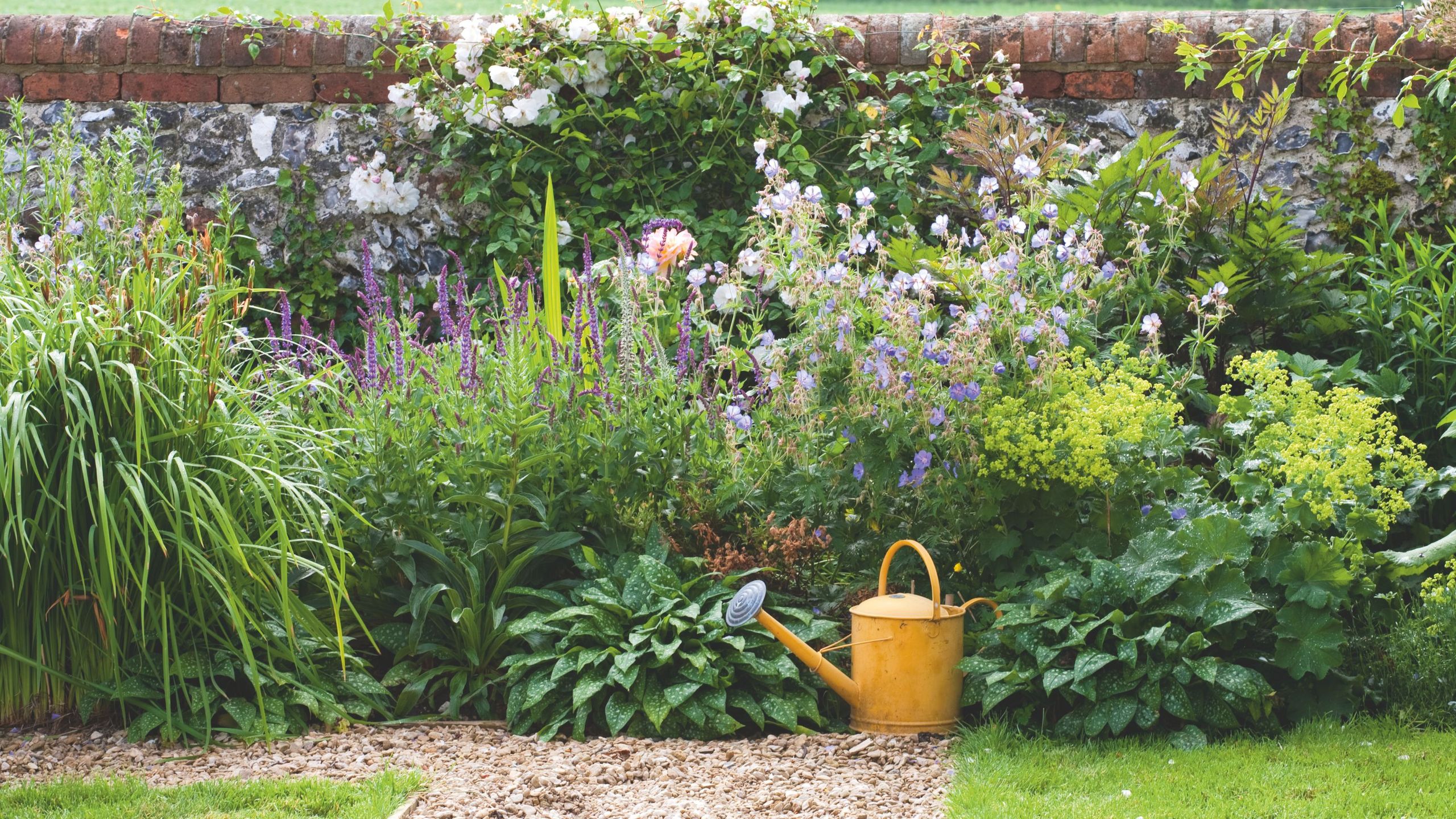
As Europe grapples with increasingly hot and dry weather, conserving water in gardens has become a critical concern. With hosepipe bans sweeping across the continent, gardeners are turning to innovative strategies to keep their green spaces flourishing without depleting local water supplies.
Garden experts advise that creating drought-resistant landscapes starts long before the heat wave hits. Peter Chaloner from Cobra emphasizes building resilience into your lawn and planting scheme through thoughtful planning rather than reactive measures during dry spells.
Harvest Rainwater Ahead of Hot Weather
Chris Bonnett, founder of Gardening Express, highlights harvesting rainwater as a key strategy to conserve water resources. Installing a water butt before the rainy season allows gardeners to collect ample rainwater for use in drier months. Shelley Davis from Flying Flowers adds that recycled grey water can also be used effectively.
Water Well, Not Often
Julian Palphramand of British Garden Centres suggests watering deeply but infrequently to encourage plants' roots to grow deeper and become more resilient during hot weather spells. Early morning or late evening is the best time for efficient watering when using a watering can instead of hosepipes.
Plant Smarter, Water Less
Charlotte McGrattan from Hillier Garden Centres recommends choosing drought-tolerant plants that naturally thrive in dry conditions to reduce water usage over traditional bedding schemes. Adaptation with Mediterranean plant varieties is wise for south-facing gardens prone to heat stress.
Arrange Plants Strategically to Retain Moisture
Shelley Davis advises clustering container plants together to create a microclimate where moisture evaporation slows down, keeping pots hydrated longer during hot weather. Arranging taller shrubs and structural plants in garden borders to cast shade over lower-growing varieties also helps retain soil moisture.
Let the Lawn Grow Longer for Resilience
Growing grass slightly longer before heat waves can help it stay greener by shading the soil and retaining previous moisture deep underground, reducing water needs when hot weather hits. Keeping lawn care practices in mind like maintaining sharp mower blades prevents excessive stress on the turf.
Improve Soil Health to Reduce Watering Needs
Matt J. Adams from The Relentless Gardener emphasizes improving soil health through organic matter addition for better moisture retention and deeper root growth, making plants more drought-tolerant over time. Mulching around plants before hot weather sets in further helps retain soil moisture.
Feed Regularly to Boost Plant Resilience
Angharad James from Maxicrop highlights the importance of regular feeding during summer months for vegetable crops and fruiting plants like tomatoes, which require steady nutrient supply despite heat stress. Feeds with natural seaweed extract can enhance plant growth and resilience against extreme weather conditions.
#### What to Watch:
- Monitor local water restrictions closely as droughts intensify across Europe.
- Stay informed about new products designed for efficient watering and soil improvement in dry climates.
- Engage with community initiatives promoting sustainable gardening practices that conserve resources while enhancing biodiversity.