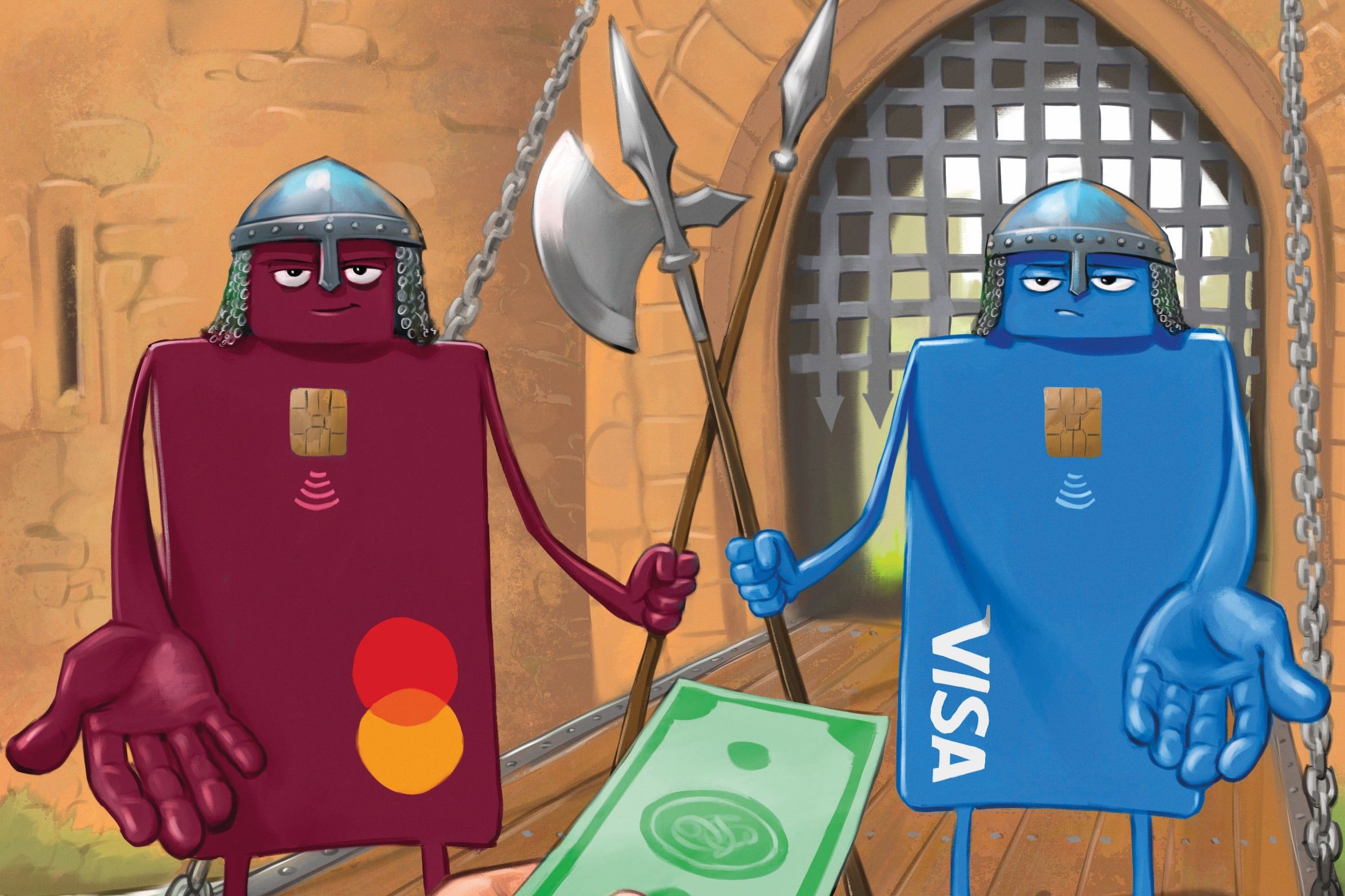
Mastercard and Visa have long been the backbone of Europe's payment networks. These companies facilitate seamless transactions across borders with a level of efficiency that few competitors can match. However, new technologies such as digital currencies are raising questions about whether these giants will remain unchallenged in their dominance.
Background: The Dominance of Mastercard and Visa
Mastercard (NYSE: MA) and Visa (NYSE: V) have established themselves not just as payment networks but also as trusted intermediaries between banks, merchants, and consumers. Their systems enable transactions to occur almost instantaneously across the globe, from a coffee shop in London to a boutique in Bangkok. The complexity behind these seamless payments involves intricate financial coordination that ensures security and reliability.
Market / Industry Impact: Challenges and Opportunities
While Mastercard and Visa have historically been difficult for competitors to disrupt due to their extensive network effects and global reach, the landscape is shifting with emerging technologies like digital currencies and QR-code payment systems. These innovations could potentially reduce transaction costs and offer more convenient alternatives that do not rely on traditional card networks.
In Europe, where regulation plays a significant role in financial services, new entrants face challenges but also opportunities to innovate within specific markets or regulatory frameworks. For instance, UnionPay's dominance in China shows how local payment systems can thrive under certain conditions, yet the global infrastructure required for cross-border transactions remains a formidable barrier.
What to Watch: Future Trends and Threats
Investors need to watch developments around digital currencies, particularly central bank digital currencies (CBDCs), which could reshape the payments landscape. While CBDCs are still in experimental phases across Europe, their potential impact on traditional payment networks is significant. Additionally, advancements in AI and machine learning may further enhance security measures and streamline transaction processes, potentially offering new competitive advantages.
The rise of digital wallets like Apple Pay (AAPL) and Google Pay also presents both opportunities and challenges for Mastercard and Visa. These platforms integrate seamlessly with the existing payment infrastructure but could eventually support alternative systems if they become more efficient or secure.
Takeaway: The Future is Uncertain, Yet Secure
While new technologies pose potential threats to Mastercard and Visa's dominance in Europe, it’s unlikely that these companies will be rendered obsolete anytime soon. Their robust network effects, trusted brand reputation, and global scale provide a strong foundation against emerging competitors. However, the continuous evolution of payment technology means they must remain vigilant and adaptable to maintain their leadership position.